

Something For the Weekend #43
Two Tribes (Carnage Mix), The IT Crowd, and When We Cease to Understand the World: selections from the wonderful and the weird for the week ending April 17, 2026
Friends, we meet here again.
What a week it has been. The jet lag has passed, and the sun has been shining here in New York.
I hope you have an amazing weekend. I invite you to please consider a paid subscription to the Daily Active User for the cost of a small toy or fidget gadget from a mass retailer—just $6 per month—to support this now 100% human-created effort.
Loving your work.
Thanks Benj
Top 5 this week from the Daily Active User:
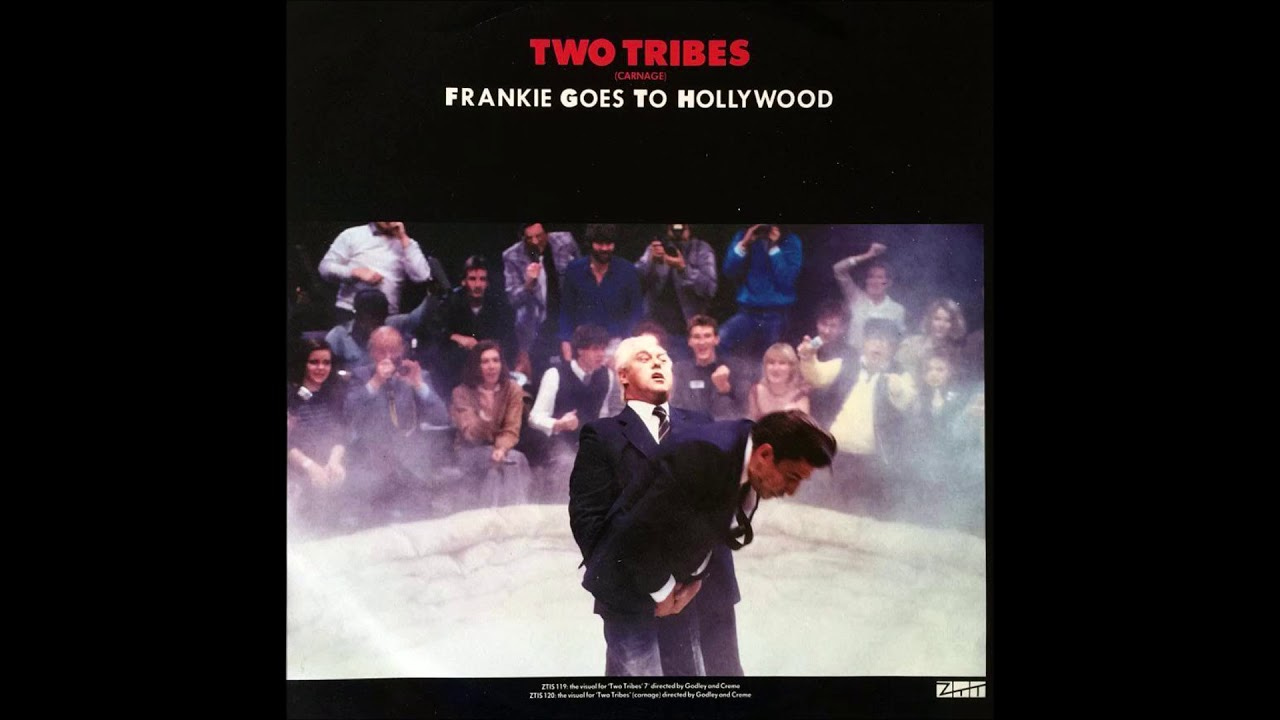
"Mine is the last voice that you will ever hear. Don't be alarmed." Those ominous words blasted through my Sony yellow sports Walkman headphones as I sat perched on the back of a motorcycle, very sunburned, the tape player at my hip. The Carnage remix of "Two Tribes" by Frankie Goes to Hollywood closed with those words before looping back to the beginning—a mixtape I'd made specifically for this holiday in Greece. I remember this vividly because the older kid driving the motorcycle began taking steep mountain roads at high speed (neither of us wearing helmets), and I didn't think I'd make it to our destination. Each time the remix ended with those words and exploded back into action, it felt like both a warning and a promise. I remember when the album Welcome to the Pleasuredome came out. Before that, I went to the record store to buy "Relax" on a 7-inch single, which I still have. The sound was incredible. I bought every 12-inch I could find to hear all the remixes, captivated by the genius marketing campaigns and everything that made Frankie Goes to Hollywood the bad boy household name they deserved to be. Years later, while I was at PledgeMusic, I worked on the box-set campaign for this record. Seeing those 12-inch singles reissued brought back floods of memories. And yes, they sounded absolutely fantastic. Thank goodness they're all available in hi-res on Qobuz. Anyway, this is the mix. I recommend playing it loud and letting it do its thing.
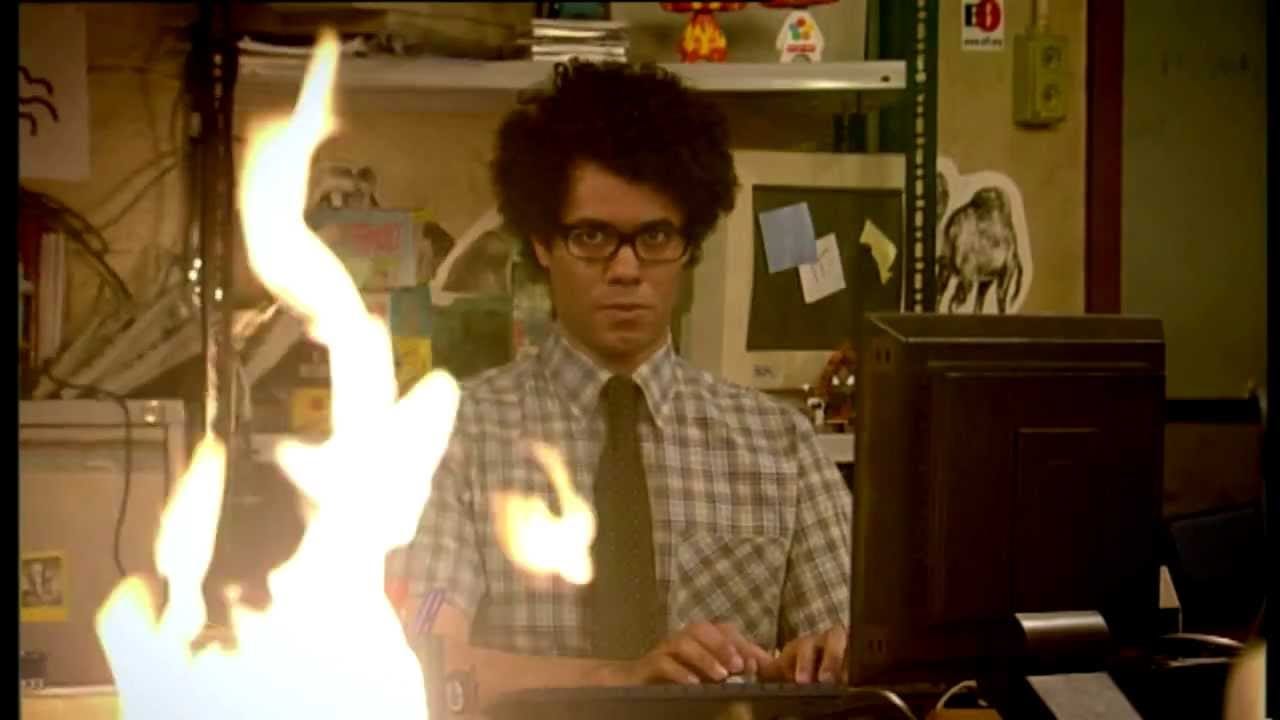
Richard Ayoade’s unforgettable Moss is my hero, and I've loved rewatching The IT Crowd with the family. The episode "The Speech" is particularly brilliant, and I enjoy revisiting technology through the lens of what was mockable back then, from the ubiquitous "Have you tried turning it off and on again?" to the "Friendface" episode. It has aged in all the right ways, and I was surprised by how much my kid was laughing along with us. The show wonderfully parodies those ridiculous anti-piracy ads that used to run before movies, and it captures the transition from analog to digital, PC to Mac, flip phones, and all the chaos our digital world was about to unleash. Moss and Roy are perfect foils for each other, and their relationship with Jen is spot-on. The show is outrageous but also has heart. If it's been a while, it's well worth returning to. It also inspired me to hit eBay, where I wound up buying seven Douglas Coupland novels to reread. I guess I'm at that age now—more than nostalgia kicking in. But hey, as the great man said, "I like being weird. Weird's all I got. That, and my sweet style."
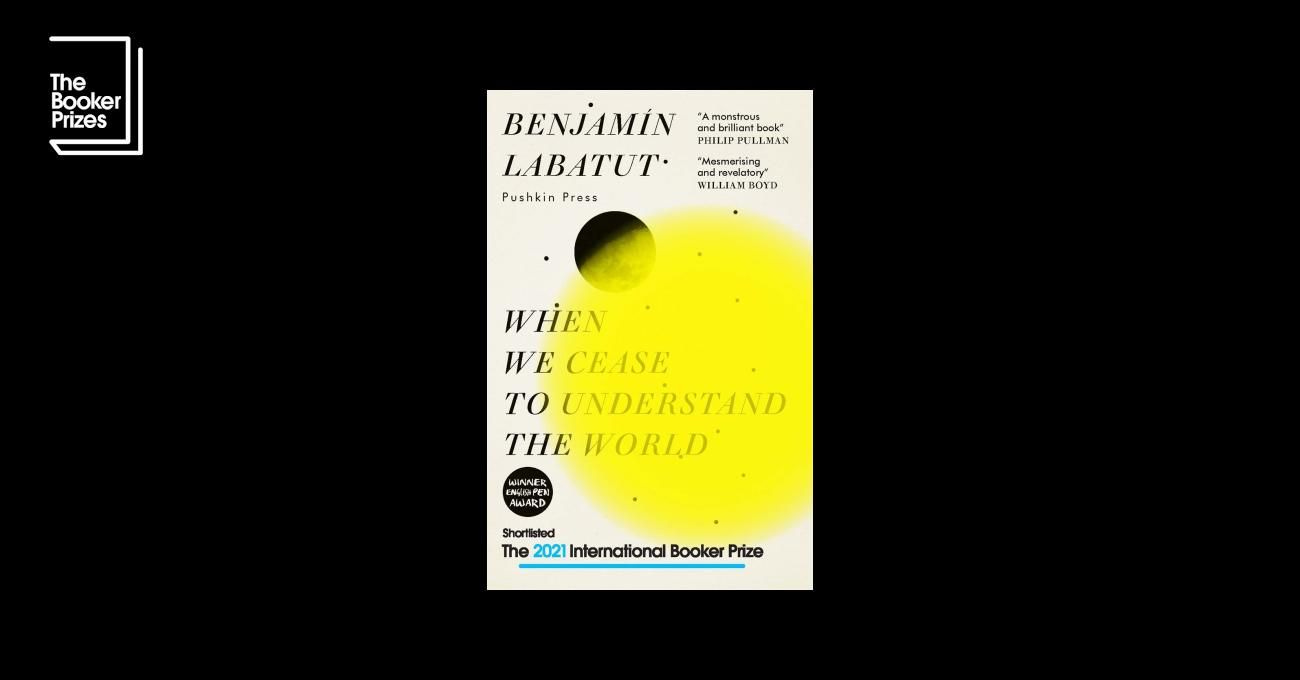
Another book I have bought for multiple people is Benjamin Labatut's wonderful work of fiction, When We Cease to Understand the World. Built on real events, this one can leave you rather disoriented, especially if you have a working knowledge of some of the people he writes about. I spent time with a few of them, so when you see the departures, it's quite splendid—if not explained, these could be mistaken for expert mini-biographies. The opening section on Prussian blue, detailing how the color in Napoleon's wallpaper may have slowly poisoned him in exile, sets the tone for the entire work: beauty and horror intermingled, yet darkly comic. Having recently read Andrew Roberts' biography of Napoleon, I found myself wrestling with the blurred lines between documented history and Labatut's fictional embellishments. And then there's Labatut's portraits of Heisenberg, Schrödinger, and others wrestling with quantum mechanics, which capture the vertigo of discovering that reality itself is stranger than we can comprehend. When I read a book I love this much, I naturally jump to the author's other works, which I did with The MANIAC. It was a fine book, not of the caliber of the first, but the section on Lee Sedol being beaten by Alpha Go was fantastic.
Mokkiri-zake:
We’re experiencing an uncanny valley of autonomy. Computer systems aren’t just almost human; they are almost capable of working on their own. When they fail, someone has to absorb the cost. Right now, that someone is us. But when we pay for a self-driving car or an AI tool, we think we’re buying a finished product, not signing up to test a work in progress.
This “almost” phase isn’t a brief transition. It’s the product—one that will be with us for years, maybe decades. So it’s important to notice the patterns. When an AI system never admits uncertainty, or when a car’s marketing says “self-driving” but the fine print says “driver responsible,” that’s a warning sign. When you realize that you haven’t really been paying attention for the past 10 miles, or the past 10 auto-composed emails, that’s the trap. - My Tesla Was Driving Itself Perfectly—Until It Crashed - The Atlantic - Raffi Krikorian
One soldier’s letter home captures this sentiment:
I am very happy despite the rats, the rain, the mud, the draughts, the roar of the cannon and the scream of shells. It takes only a minute to light my little oil heater and make some George Washington Coffee . . . Every night I offer up a special petition to the health and well-being of Mr. Washington. - The creation of instant coffee - Works in Progress
In digital capitalism, users’ clicking is indeed their labor. The click transforms a user’s existence into presence and produces engagement that, in the form of data, is expropriated and commodified by the platforms. The first morning click is a clock-in for user-workers. - The Internet Doesn’t Want Your Attention. It Wants Your Effort - default.blog - Andrey Mir
Even if you don’t traffic in AI slop, you’re still subject to AI smog. Its odor is everywhere, as is the shame it carries. No one is beyond suspicion. Nothing is pure. - From Homo Faber to Homo Fictor - New Cartographies - Nicholas Carr
I like American optimism. Not everyone does. A lot of people from long-vanished empires claim to find it unbearable; it reminds them of what they no longer have. But I like it. There’s something ridiculous about an American who tries to hate their own country, like a dog trying to walk on two legs. They don’t know what it means to wake up and curse the grey skies and poisoned soil of Splugovina, this place that closes around you like a tomb. They can rage against the slavery and genocide, but it’s still with that bright, feverish, all-American gleam in the eye. The only way an American can really encounter pessimism is by hiring a British person to perform it for them. That’s what I do, basically. It’s a living. - You’ll regret it - Sam Kriss
a lot of dangerous gamifications to me look like cases that are voluntary where someone picks up something fully... People who get on social media often are fully aware that it’s a game-like system that will change their motivations, and they do it anyway. - How Metrics Make Us Miserable - Derek Thompson