

What technologists can learn from a good bartender

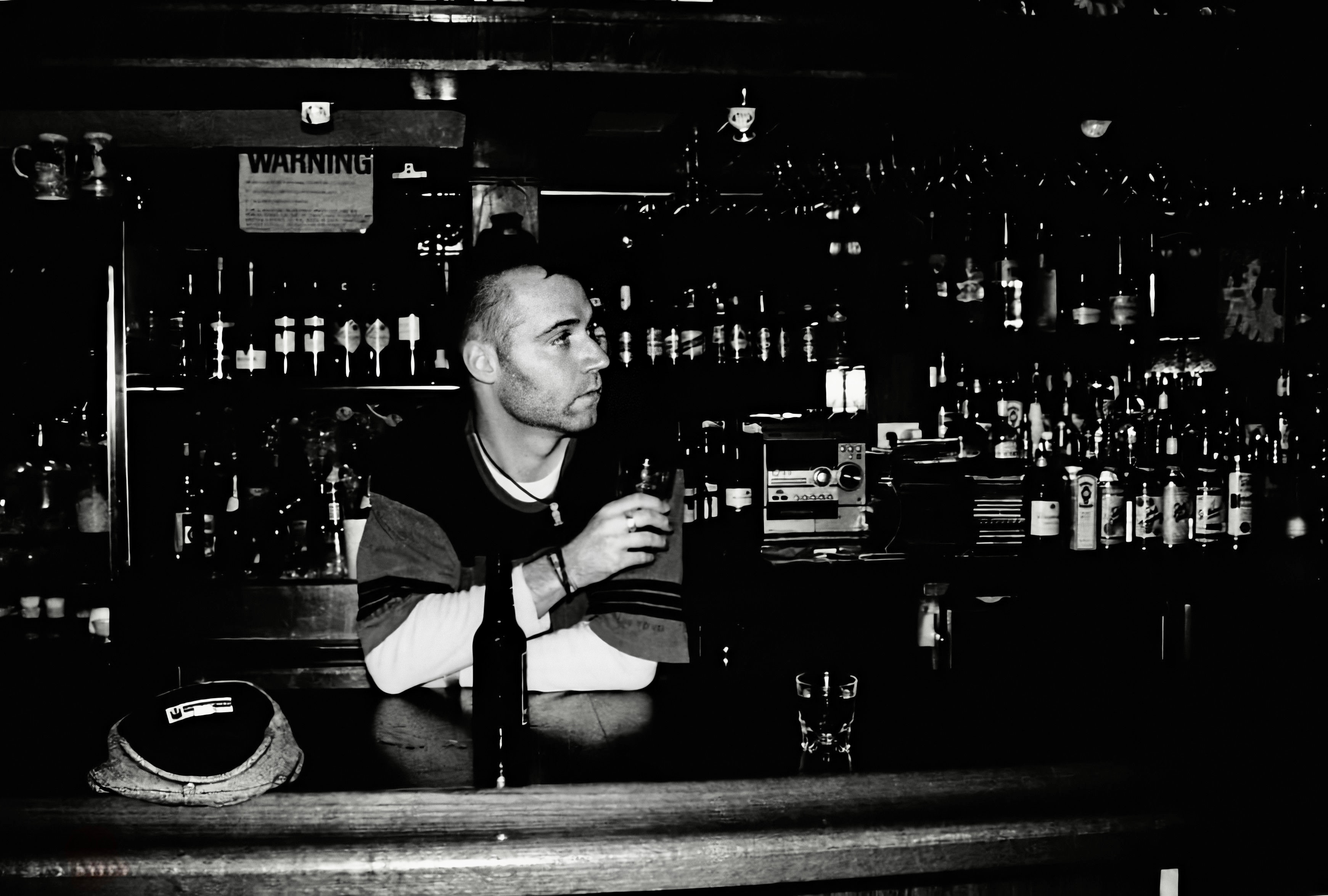
Back when I was a bartender I’d have to cut people off when they’d had too much. There were some that I hated to serve—the progressively declining alcoholics—but I’d do it because it was my job, though never to excess if it could be avoided. Years behind the stick will give you a keen sense of the customer rather quickly. I dealt in mind-altering substances, and people reacted to them differently. But my radar for problematic behavior was honed, giving me the ability to make sharp character assessments on the spot.
If someone walked in who’d already had too much, had likely been cut off at the bar down the street, or simply wanted that last one to put the brain to sleep, I didn’t want it to be on my watch. I would politely decline their request, or serve them some alcohol-free hydration on the house. Rarely accepted, but there it was.
There is honor in bartending, and even though I don’t drink any longer I love the business of it. And working at a great bar, we always made sure patrons got home OK if they’d overdone it, via a trusted regular accompanying on foot or a cab paid for by the tip jar. I know the value in this; I’ve been cut off myself plenty of times before.
A bar at its best is a place to unwind, talk, listen to music, and leave the real world behind you for a few hours. But if someone was having a too much fun, then the safeguard kicked in. Hand over the keys, call them a cab, make sure they get home alright. But the guardrails in a good bar meant that we all felt a little bit safer, and could relax just that little bit more.
“Thanks for taking care of me the other night,” being high praise indeed, alongside how well I could make an Old Fashioned—hold the garbage, naturally.
So in the spirit of well-being, looking after your customers and making sure their experience is a safe and pleasant one, where are the tech companies that tell you when you’ve had enough? The ones that let you know you’ve have been overusing and need a break. The social media company or chatbot platform that says, See you tomorrow; you should really talk to a human about this, you’ve got this, you don’t need any more of what I’m serving up.
Where are the companies that care enough about you to cut you off?
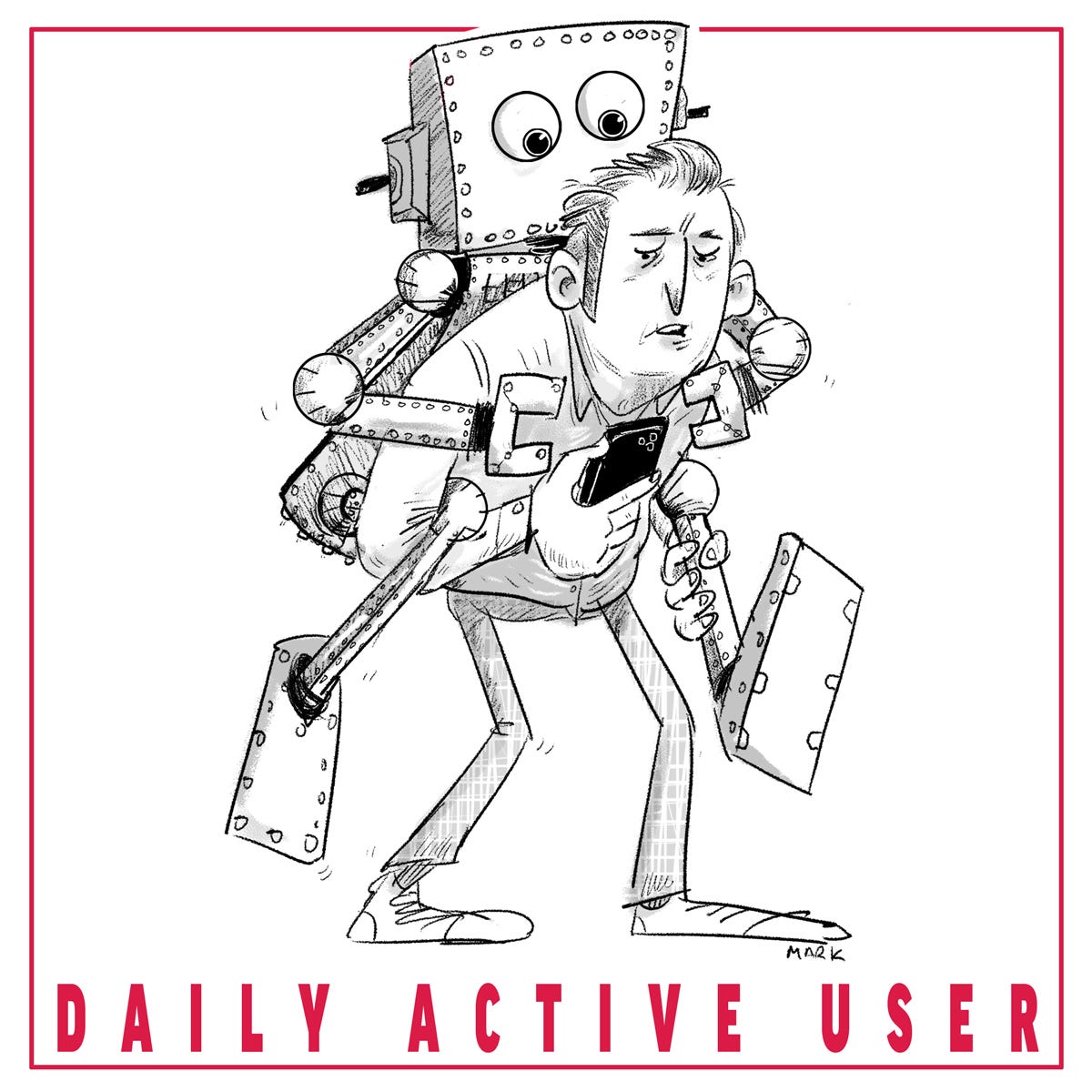
Your phone and apps are mind-altering, and your time on them is valuable to the companies, yet as the incentive is daily active usage, how can the outcome be healthy for us—in particular those who are vulnerable.
Whenever I was cut off at the bar, I didn’t like it one bit in the moment. I was likely somewhat belligerent about it, sure, but would return the following day and thank the bartender for their kindness in looking out for me.
I may get frustrated by an app that ended my scroll and told me to go outside and be in the world, seek out real conversation, and cultivate a little empathy, but I’d probably be grateful in the long run for the time it would give me back, and for the company that cared enough about its customers to keep them healthy.
Addiction and extraction are great short-term business models, and they dominate what comes out of Silicon Valley. But caring, health, and the loyalty that these engender in customers might be even better. AI could be just the technology to help us out here, and even if it gets it wrong, and takes us out of the infinite scroll a little more than we want, I don’t think many of us will lie on our deathbeds wishing we’d spent more time on our damned phones. But until that day comes, we are, as Gurwinder wisely pointed out, the youngest we are ever going to be right now. On our deathbeds we might deeply resent the attention economy and the companies that scientifically engineered their platforms to take away as much of our life as they could. There is so much loneliness all around us, at this moment. So many of us yearning for connection.
Seventeen years sober and I can’t think of a better place to be surrounded by friends and family than in a great bar, coffee shop, or restaurant—out to celebrate a birthday, holiday, or just out for the fun of a well-made drink and a little human connection. Our isolation is a business model for those who design to keep us continually connected, to keep us as their faithful Daily Active Users. Yet with birth rates dropping and in person (device-free) connection on the decline, there’s surely a dignified living to be had for some intrepid entrepreneurs building products for people having trouble disconnecting. In platforms and places that, like a good bar, serve us enough to get the upside of what they have to offer, but not too much. By leaving a little on the table, as opposed to pushing for all that can be had, just so their CEOs can make a little more than they already have from those who are struggling.
Cheers!
I want an app that can swipe and cuddle. I’d also like them to card kids, play better music and actually let me connect with people.
As a fellow addict in recovery (14 years sober) I love this analogy and deeply appreciate your message